Concrete Polishing vs Epoxy Coatings Explained
People seeking concrete polishing vs epoxy coatings explained are typically aiming to enhance durability and appearance, and local service providers can help choose and apply the best solution for their needs.
If you're exploring options to enhance the appearance and durability of concrete surfaces, understanding the differences between concrete polishing and epoxy coatings is a valuable first step. Property owners in the area often consider these solutions for garages, commercial floors, or residential spaces, each offering distinct benefits suited to different needs. Whether aiming for a sleek, low-maintenance finish or a resilient, decorative surface, the right choice can make a significant impact. This page provides practical insights into both methods, helping readers make informed decisions and connect with local contractors who specialize in these services.
As you continue reading, you'll learn how concrete polishing offers a smooth, glossy aesthetic that highlights the natural beauty of concrete, ideal for those seeking a minimalist, refined look. Conversely, epoxy coatings provide a thicker, customizable layer that can add color, texture, and enhanced protection against wear and stains. Understanding these differences can help property owners determine which solution aligns best with their goals, and guidance on how local service providers can assist in achieving desired results. Keep exploring to find the information you need to make confident decisions about concrete surface improvements.
- Concrete polishing - ideal for those seeking a durable, low-maintenance finish for high-traffic commercial or industrial floors, with local contractors using specialized grinding and polishing equipment.
- Epoxy coatings - suitable for enhancing the appearance and protecting concrete surfaces in garages, warehouses, or retail spaces, with service providers applying resin layers for a seamless, glossy finish.
- Concrete polishing - often chosen for aesthetic upgrades in residential basements or showrooms where a smooth, reflective surface is desired, with local pros employing diamond abrasive tools.
- Epoxy coatings - commonly used when chemical resistance and quick installation are priorities, with local contractors ensuring proper surface prep and even coating application.
- Concrete polishing - recommended for surfaces needing long-term durability and a natural look, with local pros customizing the level of shine and finish to match client preferences.
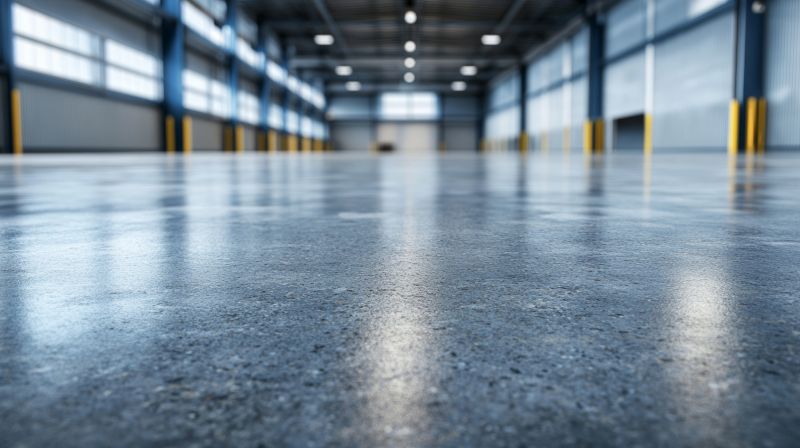
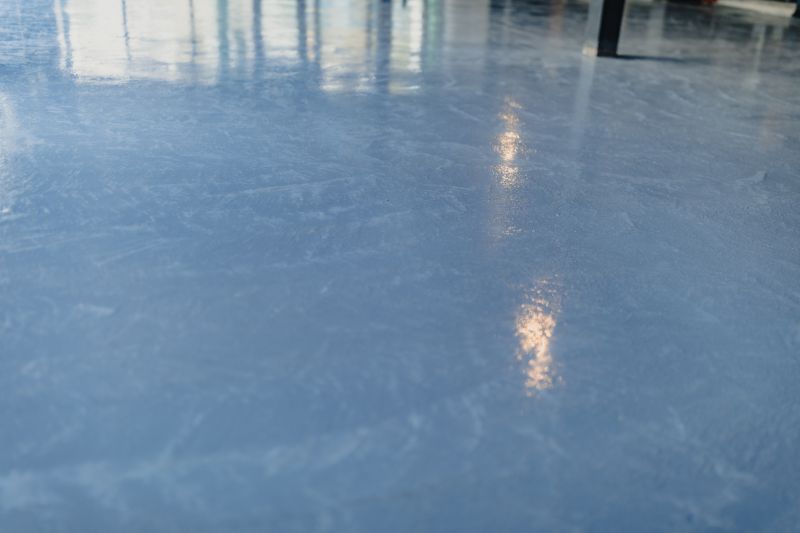
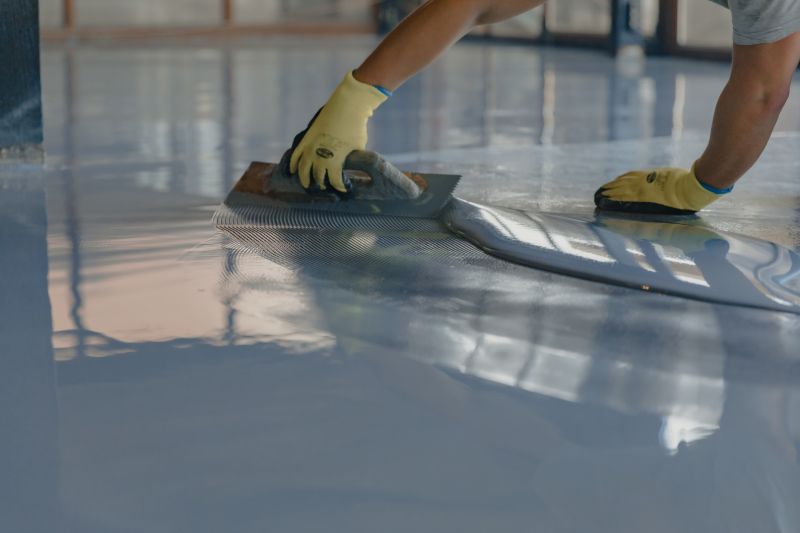
When people search for concrete polishing vs epoxy coatings explained, they are typically trying to understand the differences between these two popular flooring options for residential, commercial, or industrial spaces. Homeowners and property owners often want to know which solution best suits their needs based on factors like durability, appearance, and maintenance. This comparison helps clarify whether a polished concrete floor or an epoxy coating will provide the aesthetic and performance qualities desired for a specific project, such as a garage, basement, or retail space. Understanding these options is essential for making informed decisions that align with the property's intended use and long-term goals.
Concrete polishing and epoxy coatings are related to different types of surface treatments that address common property concerns. For example, property owners may be planning to improve the look of a worn or stained concrete floor, or they might need a resilient surface that can withstand heavy foot traffic or machinery. Problems like surface cracking, staining, or uneven texture often lead people to explore these options. Conversely, plans for a new or renovated space might involve choosing a finish that enhances visual appeal or simplifies maintenance. Local service providers specializing in concrete polishing or epoxy coatings can evaluate the property's condition, recommend suitable solutions, and handle the installation or restoration process.
The types of properties that typically come up in concrete polishing vs epoxy coatings explained discussions include garages, basements, warehouses, retail stores, and industrial facilities. Residential properties often consider concrete polishing to achieve a sleek, reflective surface that emphasizes the natural look of concrete while providing durability. Commercial and industrial spaces frequently opt for epoxy coatings to create seamless, chemical-resistant, and easy-to-clean floors that can handle high traffic and potential spills. These treatments are also popular in areas where aesthetics and functionality need to be balanced, such as showrooms or workshops. Local contractors experienced in both services can assess each property’s unique needs and recommend the most appropriate flooring solution.
Understanding the differences between concrete polishing and epoxy coatings helps property owners determine which option aligns with their project goals. Concrete polishing involves grinding and buffing the existing concrete to produce a shiny, smooth surface that highlights the natural material. It is often favored for its low maintenance and long-lasting appearance. Epoxy coatings, on the other hand, involve applying a layered resin material that creates a uniform, colored, and often textured surface. This coating can conceal imperfections and provide enhanced protection against stains, chemicals, and wear. Local service providers can assist in evaluating the current condition of a floor and guiding property owners toward the best choice, whether they seek a polished aesthetic or a durable, coated surface for their space.
Garage Floor Coatings - local contractors specializing in garage floor coatings often use similar surface preparation and sealing techniques as epoxy coatings, making them relevant for comparison.
Industrial Flooring Projects - industrial flooring services often require durable finishes like epoxy or polished concrete, involving planning and surface treatment skills comparable to those in concrete polishing vs epoxy coatings explained.
Commercial Warehouse Renovations - service providers working on warehouse floors utilize epoxy and polishing methods to enhance durability and appearance, aligning with the topics discussed in concrete polishing vs epoxy coatings explained.
Retail Space Floor Installations - local contractors working on retail floors often choose between epoxy coatings and polished concrete, applying similar surface preparation and finishing techniques.
School and Educational Facility Floors - projects in educational settings involve surface treatments comparable to those used in concrete polishing and epoxy coatings, requiring planning and surface prep expertise.
Concrete Surface Restoration - specialists in concrete restoration employ polishing and coating techniques similar to those in concrete polishing vs epoxy coatings explained, focusing on surface enhancement and durability.
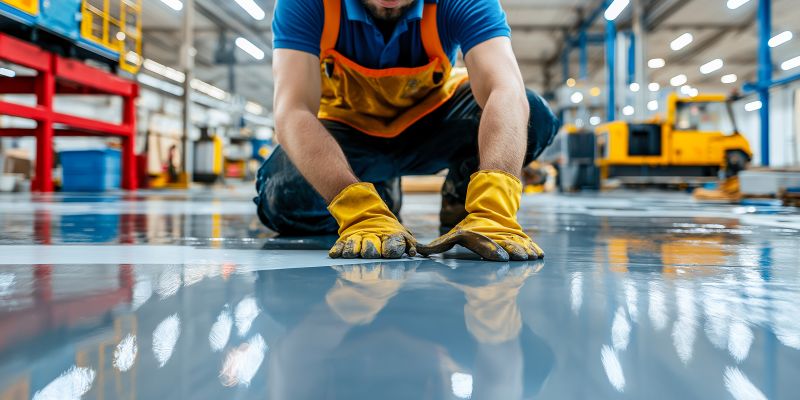
When comparing service providers for concrete polishing versus epoxy coatings, it’s important to consider their experience with similar projects. Homeowners should inquire about how long the contractors have been working with these specific finishes and whether they have completed projects comparable in size and scope. An experienced local contractor will typically have a deeper understanding of the nuances involved in each method, helping ensure the chosen service aligns with the homeowner’s desired outcome. This background can also be a good indicator of the quality of work and familiarity with industry standards, which can influence the durability and appearance of the finished surface.
Clear written expectations are essential when evaluating potential service providers. Homeowners should seek detailed descriptions of what each process entails, including surface preparation, application techniques, and finishing steps. This clarity helps prevent misunderstandings and ensures everyone is aligned on project deliverables. When discussing options like concrete polishing and epoxy coatings, understanding the scope of work, the materials used, and the maintenance involved can make a significant difference in selecting the right contractor for the job. Well-documented expectations also serve as a reference point for assessing bids and comparing services objectively.
Reputable references and good communication are key factors in choosing the right local contractor for concrete polishing or epoxy coatings. Homeowners should ask for references from past clients who have had similar work done and follow up to learn about their experiences. This feedback can reveal insights into the contractor’s professionalism, reliability, and quality of work. Additionally, effective communication throughout the project is vital; service providers who are responsive, transparent, and willing to answer questions can help ensure the project proceeds smoothly and meets expectations. Prioritizing these qualities can lead to a more satisfying experience and a finished surface that aligns with the homeowner’s vision.
Property owners often search for concrete polishing vs epoxy coatings explained when they are planning practical projects around their homes and businesses. Local pros provide Epoxy Coating or Concrete Polishing services for everyday jobs and straightforward project options.
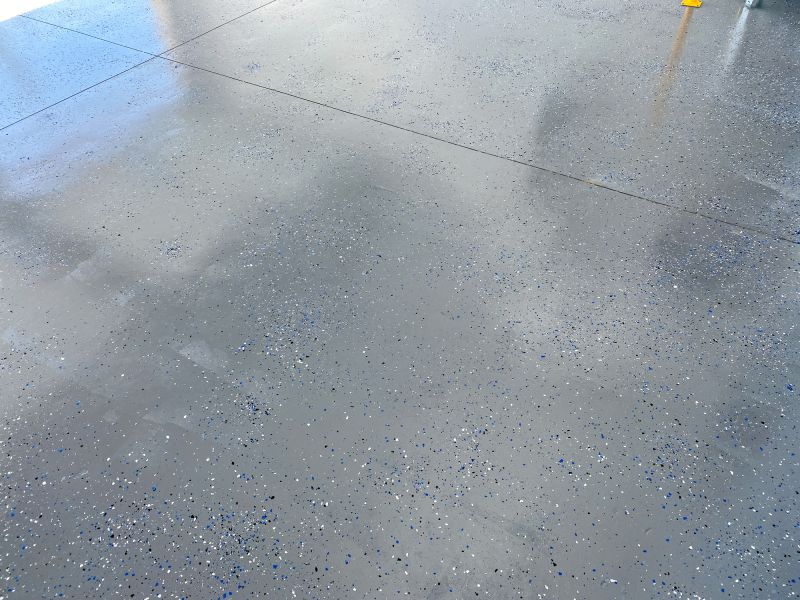
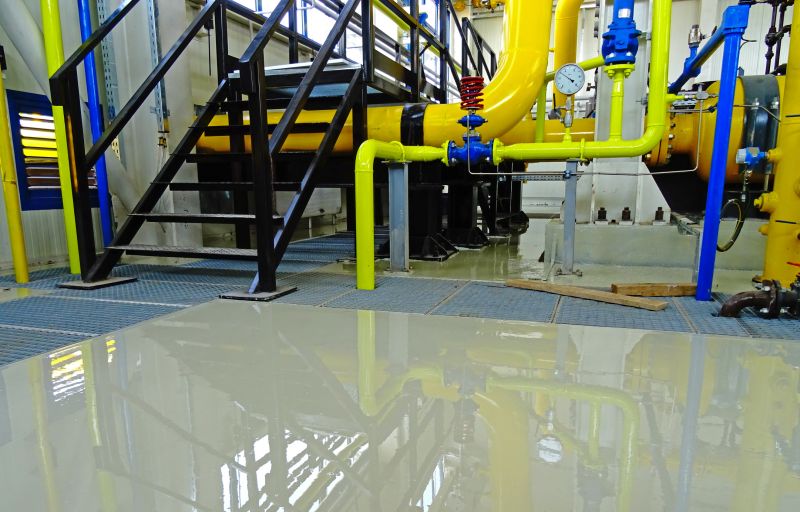
When property owners in the area are considering upgrades to their flooring, they often explore options like concrete polishing and epoxy coatings to improve durability and appearance. For those with busy commercial spaces, garages, or residential basements, understanding the differences between these two solutions can help determine which best suits their needs. Local contractors specializing in concrete finishing can provide insights into how each option performs in everyday situations, such as handling foot traffic, resisting stains, or maintaining a sleek look over time.
Many property owners look up this topic to decide which flooring treatment aligns with their project goals, whether for aesthetic appeal or long-term resilience. Concrete polishing offers a smooth, shiny surface that enhances the natural look of the concrete, making it easier to maintain and ideal for spaces where a polished appearance is desired. Epoxy coatings, on the other hand, provide a seamless, durable layer that can add color and design options, making them popular for garages or industrial areas. Service providers in the area can help evaluate these factors and recommend the best approach for specific project requirements.
What is the main difference between concrete polishing and epoxy coatings? Concrete polishing involves grinding and buffing the existing concrete surface to achieve a smooth, shiny finish, while epoxy coatings apply a protective layer over the concrete to create a seamless, durable surface. Local contractors can help determine which method best suits specific needs.
Which option is better for high-traffic areas? Epoxy coatings are generally more resistant to wear and stains, making them suitable for high-traffic spaces, whereas concrete polishing offers a sleek appearance but may require maintenance over time. Service providers can advise on the most durable choice for busy areas.
Can concrete polishing and epoxy coatings be combined? Yes, some projects incorporate both techniques-using polishing to enhance the concrete surface underneath an epoxy layer for added aesthetic appeal and protection. Local service providers can design customized solutions.
How do maintenance needs differ between concrete polishing and epoxy coatings? Polished concrete typically requires regular cleaning and occasional re-polishing to maintain its shine, while epoxy coatings may need recoating or touch-ups over time to preserve their appearance and protective qualities. Local pros can provide guidance on upkeep.
What factors should influence the choice between concrete polishing and epoxy coatings? Considerations include desired appearance, durability, maintenance, and the specific use of the space. Consulting with local contractors can help identify the best option based on these practical factors.
Choosing the right finish for a garage floor can help property owners decide between concrete polishing and epoxy coatings based on durability and appearance preferences.
Planning a commercial space upgrade involves understanding how epoxy coatings can create seamless, chemical-resistant surfaces suitable for high-traffic areas.
Designing a decorative basement floor may benefit from concrete polishing to achieve a sleek, reflective look that enhances natural concrete features.
Preparing for a warehouse flooring project requires evaluating whether a polished surface or epoxy coating aligns best with operational needs and maintenance routines.
If you are thinking about concrete polishing vs epoxy coatings explained for a property, this guide is meant to help you understand this topic, the typical project types, and how different options might fit your plans.
When you are ready, you can use the quote form on this page to share a few details about your project. From there, local pros can review the basics and follow up with options that match what you have in mind.